When joints ache for a day or two after a long walk or a busy weekend, it feels annoying but manageable. When that ache lasts for months, it begins to alter how you move and how you perceive your body. This kind of chronic joint pain can make you feel older than your age and unsure of what to do next. Physical therapy at Libre Physical Therapy can help you understand what is happening and give you a plan that feels doable, not confusing.
The Problem: When Joint Pain Stops Going Away
At first, many people ignore ongoing soreness. They hope it will fade on its own. Over time, pain that does not calm down can:
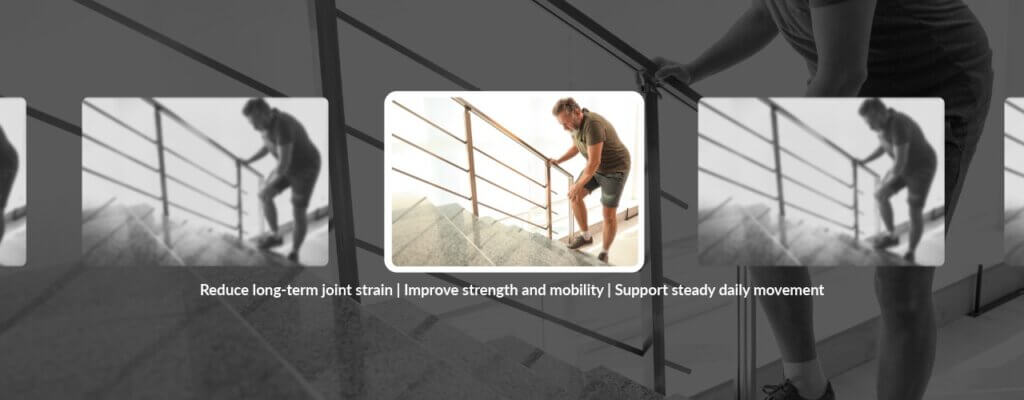
- Make walking, stairs, or getting out of a chair harder
- Turn simple chores into long, careful tasks
- Cause you to skip hobbies, social plans, or exercise
You might also notice a pattern. On “good” days, you cram in as much as possible. On “bad” days, you do almost nothing because every step hurts. This up-and-down cycle often leads to increased frustration, heightened worry about damage, and reduced trust in your joints.
Chronic Joint Pain: What Is Happening In Your Body
A joint is where two bones meet. Smooth cartilage covers the bone ends, and ligaments help guide motion. Muscles and tendons around the joint move and support it.
With long-lasting pain, these parts can change. The joint surfaces may become irritated or worn. The lining can stay slightly inflamed. Muscles near the joint may tighten to protect it, while other muscles weaken because you use them less.
When you move less to avoid pain, joints stiffen, and surrounding muscles lose strength. That makes even normal forces feel heavy, so signals continue to fire. Over time, this process turns a simple problem into chronic joint pain that feels stuck in place.
Why Rest Alone Is Not Working
Rest can help when pain first appears, especially if you clearly overdid it. For long-lasting symptoms, “just rest it” often backfires. Common patterns include:
- Stopping most activity every time pain flares
- Waiting until you feel perfect before moving again
- Feeling more stiff and weak after long stretches of rest
Joints and muscles stay healthier when they move. If you rest for too long, muscles shrink, and joints lose easy motion. Then even small tasks place more strain on the area. The result is a loop where you rest more, move less, and feel worse.
How Physical Therapy at Libre Physical Therapy Addresses the Real Problem
Physical therapy looks beyond the single sore spot and studies how your whole body moves. At Libre Physical Therapy, your therapist starts by asking about your history, daily life, and goals. You talk about which joints hurt, what makes them worse, and what you miss doing.
Next, your therapist checks:
- How far your joints move in different directions
- Strength in the muscles that support those joints
- Balance and walking, if your legs or hips are involved
- How you move during real-life tasks, such as sitting, reaching, lifting, or stairs
Based on this, your therapist builds a plan to manage chronic joint pain that fits your starting point. Treatment may include:
- Gentle mobility exercises to reduce stiffness and help joints glide more easily
- Strength training around the joint so muscles share the load better
- Balance or coordination work if you feel unsteady or afraid of falling
- Guidance on pacing activities, choosing joint-friendly positions, and adjusting tasks
Stretching helps tissues move through a better range, but it does not build strength on its own. Strengthening and practice help your joints handle everyday demands with less strain.
Everyday Strategies To Support Your Joints
What you do outside the clinic can make a big difference. Helpful daily strategies include:
- Adding short movement breaks during the day instead of sitting or standing still for long periods
- Beginning tasks with slow, controlled motions rather than quick, forceful moves
- Doing your home exercises from Libre Physical Therapy most days of the week at a comfortable level
- Keeping a simple list of activities that feel easier or harder and sharing it with your therapist
These habits support your chronic joint pain treatment plan and help gains from therapy show up in your regular life. Complete rest usually makes joints feel stiffer and weaker, while steady, guided movement helps them work better.
Ready To Get Help For Your Chronic Joint Pain
Feeling stuck, confused, or discouraged is very common when chronic joint pain will not fade on its own. You deserve clear information and a plan that aligns with your goals and schedule. The team at Libre Physical Therapy can examine how your joints and muscles work together, explain what is driving your symptoms in simple terms, and build a program that feels realistic. If you are ready to stop guessing and start moving with more confidence, contact Libre Physical Therapy to schedule a visit and discover how physical therapy can support more comfortable and steady progress.
Tags: joint health support, joint pain, long‑term joint stiffness, mobility and strength